Modern enterprise marketing launches bear little resemblance to the straightforward promotional campaigns of the past. Today, introducing a major product, rebranding a global enterprise, or executing a multi-market go-to-market strategy requires orchestrating dozens of moving parts simultaneously. Teams must coordinate digital advertising campaigns, public relations efforts, content production, social media engagement, email marketing sequences, localized web deployments, and technical marketing operations.
When campaigns operate on this scale, creative vision alone is insufficient to guarantee commercial success. Without structural oversight, even the most innovative creative concepts collapse under the weight of missed deadlines, budget overruns, misaligned messaging, and cross-departmental friction. Strategic project management serves as the structural backbone of complex marketing launches, bridging the gap between high-level creative ambition and flawless operational execution.
The Inherent Complexity of Modern Marketing Launches
A modern marketing launch is a high-stakes initiative characterized by interdependencies, compressed timelines, and distributed team structures. Several factors contribute directly to the operational complexity of today’s go-to-market execution:
-
Multichannel Ecosystems: Campaigns no longer rely on a single primary medium. A cohesive launch demands synchronized deployment across paid search, programmatic display, organic search engine optimization, influencer networks, broadcast media, experiential events, and owned digital properties.
-
Cross-Functional Stakeholder Alignment: Launching a major initiative requires active participation from marketing operations, sales enablement, product development, legal compliance, customer support, and external creative agencies.
-
Global Localization and Personalization: Enterprise campaigns frequently target multiple buyer personas across varied geographic regions, requiring custom messaging variants, language translations, and region-specific regulatory compliance reviews.
-
Real-Time Data Integration: Marketing teams must monitor live campaign analytics from day one, adjusting bid strategies, ad creative, and messaging based on incoming performance data.
Navigating these challenges requires moving beyond ad-hoc task lists and informal check-in meetings. It demands disciplined project management tailored specifically to marketing workflows.
Core Pillars of Strategic Marketing Project Management
Strategic project management in marketing goes beyond basic scheduling and task assignment. It aligns daily execution choices with overarching business objectives. To manage complex marketing launches effectively, organizations construct their project management frameworks around five critical pillars.
1. Unified Governance and Clear Accountability
In large-scale marketing launches, ambiguous ownership creates operational friction. When tasks lack clear owners, critical deliverables fall through the cracks during crunch periods. Strategic project management establishes clear governance frameworks, frequently utilizing RACI matrices (Responsible, Accountable, Consulted, Informed) to define exact roles across internal teams and external agency partners. When every team member understands their precise scope of responsibility, decision-making accelerates and cross-departmental finger-pointing is eliminated.
2. Comprehensive Dependency Mapping
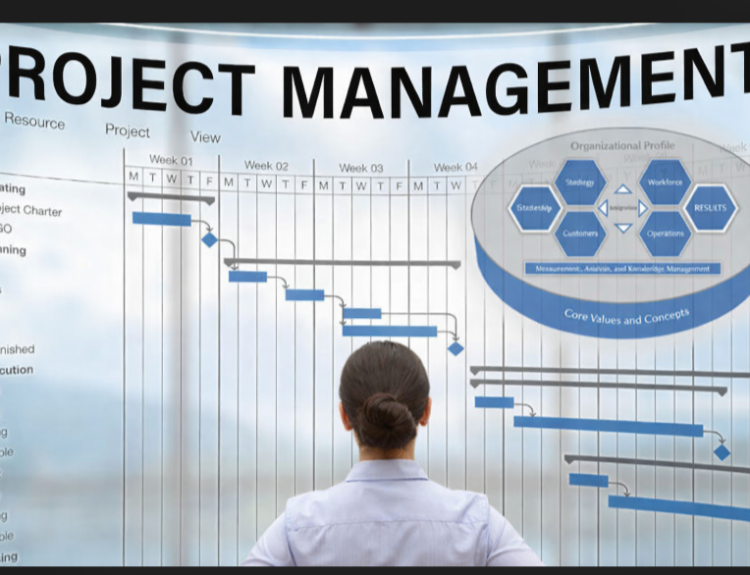
Marketing deliverables rarely exist in isolation. A paid media team cannot build ad sets until creative design assets are finalized; copywriters cannot draft landing page text until core product positioning is approved; web developers cannot deploy launch pages until legal counsel reviews data privacy disclaimers. Strategic project managers build comprehensive project schedules that explicitly map these critical path dependencies. By identifying bottleneck risks weeks in advance, teams can proactively resolve operational delays before they threaten the hard launch date.
3. Integrated Resource and Capacity Allocation
Overcommitting creative and technical talent is a leading cause of campaign launch failures. Designers, copywriters, and marketing technology engineers often work across multiple concurrent initiatives. Strategic project management implements centralized resource planning to monitor individual capacity and workload balance. By forecasting resource requirements accurately, project leaders prevent team burnout, reduce human error, and maintain high creative quality under tight timelines.
4. Proactive Risk Mitigation and Contingency Planning
Every major launch encounters unexpected hurdles, such as delayed product releases, technical bugs in software tracking, unexpected budget reallocations, or external market disruptions. Rather than reacting in a state of crisis, strategic project managers perform detailed risk assessments during the initial planning phase. They identify potential failure points, evaluate impact probability, and build pre-approved contingency plans, ensuring the launch stays on schedule even when unexpected variables emerge.
5. Streamlined Communication and Asset Management
Centralizing campaign communication prevents important project updates from getting lost in fragmented email chains or messaging channels. Strategic project managers establish single-source-of-truth project repositories where file versions, brand guidelines, messaging frameworks, and approval histories are securely stored and easily accessible to all authorized stakeholders.
Overcoming Common Operational Hurdles in Marketing Execution
Deploying strategic project management addresses the primary structural issues that routinely derail complex marketing initiatives.
Combating Scope Creep
During campaign development, executives and creative teams are often tempted to introduce new ideas, expand channel distribution, or add extra creative variations. While creative iteration is valuable, unmanaged changes disrupt production schedules and inflate budgets. Strategic project managers enforce formal change control procedures. When new requests arise, the project manager evaluates the impact on cost, timeline, and resource availability, requiring executive approval before altering the baseline launch scope.
Bridging the Gap Between Creative and Technical Teams
Marketing launches require collaboration between highly creative individuals and technical specialists, such as web developers, data analysts, and marketing automation engineers. These groups often operate with different terminology, workflows, and priorities. A strategic project manager acts as an operational translator, aligning creative concepts with technical constraints and ensuring technical requirements are communicated clearly to creative teams early in the process.
Streamlining Review and Approval Bottlenecks
Delays in securing feedback from legal teams, compliance officers, and senior executives represent one of the most common causes of launch slippage. Strategic project management establishes structured review cadences, sets clear turnaround timeframes for feedback, and consolidates stakeholder comments into actionable revision requests, keeping project momentum moving forward.
Measuring the Impact of Project Management on Launch Success
Investing in strategic project management delivers clear, measurable return on investment for enterprise marketing organizations.
Key performance indicators that reflect project management efficiency include:
-
On-Time Launch Rate: The percentage of campaign assets, channel activations, and sub-initiatives deployed according to the master baseline schedule.
-
Budget Variance Control: The capability to execute the complete launch scope within approved financial parameters without emergency capital injections.
-
Asset Approval Cycle Times: The average time required to move a creative or technical asset from initial draft through legal, compliance, and executive approval to final sign-off.
-
Team Capacity Utilization: Maintaining optimal output across creative and technical staff without triggering excessive overtime or severe productivity declines.
Ultimately, strategic project management turns marketing launches from chaotic, stress-filled scrambles into repeatable, scalable operational processes. By introducing structure, visibility, and disciplined governance, organizations protect their capital investments, empower their teams, and achieve consistent commercial success in competitive markets.
Frequently Asked Questions
How does project management in marketing differ from traditional IT or construction project management?
Marketing project management must accommodate rapid creative iteration, shifting market conditions, and fluid messaging strategies. While traditional project management methodologies like Waterfall favor rigid sequential planning, marketing project management often employs hybrid frameworks that combine strategic milestone planning with agile, iterative asset production cycles.
What software tools are essential for managing complex marketing launches?
Essential software infrastructure typically includes enterprise work management platforms for task tracking and workload planning, digital asset management systems for asset organization, automated proofing and approval tools for creative reviews, and real-time collaboration dashboards for cross-functional communication.
Who should serve as the primary project manager on a major marketing launch?
On enterprise-level marketing launches, a dedicated marketing project manager or campaign operations lead should direct the initiative. This individual should possess both formal project management methodology training and a deep understanding of marketing channel operations, creative production lifecycles, and technical marketing infrastructure.
How does strategic project management prevent creative burnout during tight campaign timelines?
Strategic project management protects teams by providing realistic capacity planning, establishing clear milestone expectations, minimizing urgent last-minute revisions, and eliminating administrative friction. By creating organized workflows, creative professionals can dedicate their time to high-value execution rather than managing operational chaos.
What is the role of an Agile framework in a marketing launch?
Agile frameworks allow marketing teams to work in iterative sprints, making continuous adjustments based on stakeholder feedback and preliminary campaign data. Incorporating Agile principles into launch workflows helps teams produce creative variations faster, test ad concepts early, and adapt to changing campaign requirements without disrupting the overall launch schedule.
How early should project managers be involved in the marketing launch planning process?
Project managers should be involved from the absolute inception of the marketing launch during the initial strategy and conceptualization phase. Early involvement ensures that campaign timelines, resource allocations, budget parameters, and technical feasibility are evaluated before creative commitments are finalized.
What is the best way to manage external vendors and agency partners during a launch?
Managing third-party contributors requires integrating them directly into the central project governance structure. Establish clear deliverable specifications, mandate shared usage of primary project tracking software, set rigid deadline dependencies, and hold regular alignment check-ins to keep internal teams and external agency partners synchronized.