The global automotive industry is experiencing a profound transformation driven by rapid technological progress, the shift toward electrification, and an urgent focus on sustainable mobility. Vehicles are no longer defined solely by engines and horsepower; they are evolving into intelligent, connected, and environmentally responsible mobility solutions. This transformation is reshaping how cars are built, how they operate, and how people interact with them.
Technology Redefining Modern Vehicles
Technology has become the backbone of automotive innovation. Software, sensors, and data-driven systems now play a central role in vehicle performance, safety, and user experience.
Key Automotive Technologies Shaping the Industry
-
Advanced driver-assistance systems (ADAS) improving safety and control
-
Artificial intelligence for predictive maintenance and driving support
-
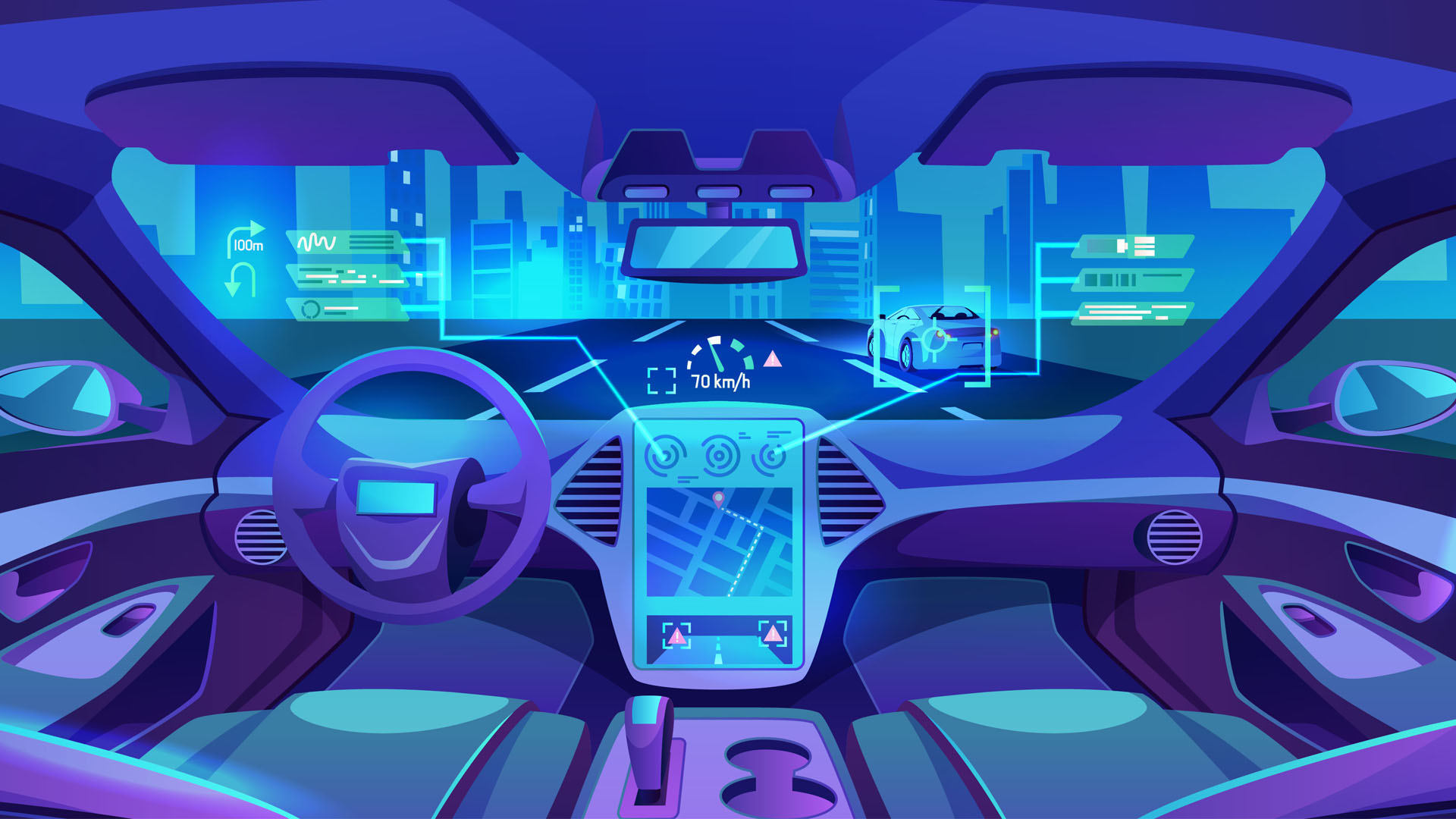
Digital dashboards and fully connected infotainment systems
-
Over-the-air software updates enabling continuous vehicle improvement
Modern vehicles increasingly resemble mobile computing platforms, offering smarter functionality with each software upgrade.
Electrification and the Shift Away from Fossil Fuels
Electrification is transforming the foundation of automotive engineering. Electric vehicles (EVs) are gaining widespread adoption as governments tighten emission standards and consumers seek cleaner transportation options.
Why Electrification Is Accelerating
-
Reduced greenhouse gas emissions
-
Lower fuel and maintenance costs
-
Advances in battery range and charging speed
-
Expansion of public and home charging infrastructure
Automakers are redesigning vehicle platforms specifically for electric powertrains, signaling a long-term commitment to an electric-first future.
Autonomous Driving and Enhanced Safety
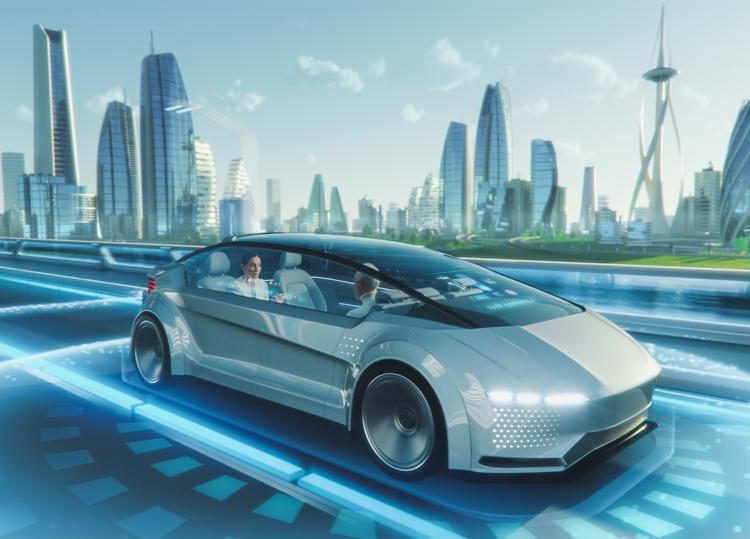
Automation is redefining vehicle safety and driving convenience. While fully autonomous cars are still in development, partial automation is already delivering measurable benefits.
Current features include:
-
Adaptive cruise control
-
Lane-centering assistance
-
Automatic emergency braking
-
Traffic sign recognition
These systems reduce driver workload and play a critical role in accident prevention.
Connected Vehicles and Digital Mobility
Connectivity has become a standard expectation rather than a luxury. Vehicles now communicate seamlessly with smartphones, cloud platforms, and surrounding infrastructure.
Benefits of Connected Car Technology
-
Real-time navigation and traffic updates
-
Remote vehicle diagnostics and monitoring
-
Personalized driver profiles and settings
-
Enhanced in-car entertainment and productivity
Connectivity also enables data-driven insights that help manufacturers improve vehicle reliability and customer satisfaction.
Sustainable Mobility Beyond the Vehicle
Sustainable mobility extends beyond electric drivetrains. Automakers are rethinking the entire lifecycle of vehicles, from raw materials to end-of-life recycling.
Sustainability initiatives include:
-
Use of recycled and bio-based materials
-
Energy-efficient manufacturing processes
-
Reduced water consumption and waste
-
Designing vehicles for easier disassembly and reuse
Sustainability has become a core strategy rather than a marketing add-on.
Changing Consumer Expectations and Ownership Models
Today’s consumers expect vehicles to align with their digital lifestyles and environmental values. This shift is driving changes in how vehicles are sold and used.
Modern buyers prioritize:
-
Transparent ownership costs
-
Seamless digital integration
-
Flexible options like subscriptions and shared mobility
-
Brands with clear sustainability commitments
As a result, traditional ownership models are evolving to meet new mobility demands.
The Future of the Automotive Industry
The automotive industry’s future lies in the convergence of technology, electrification, and sustainability. Collaboration between automakers, technology companies, and governments will be essential to overcome challenges and unlock innovation.
Emerging trends include:
-
Software-defined vehicles
-
Vehicle-to-everything (V2X) communication
-
Artificial intelligence in design and production
-
Exploration of alternative fuels alongside electrification
The pace of transformation suggests that the next decade will redefine mobility as we know it.
Frequently Asked Questions (FAQs)
1. How is technology changing the driving experience?
Technology enhances safety, comfort, and convenience through automation, connectivity, and real-time data integration.
2. Are electric vehicles suitable for long-distance travel?
Improved battery ranges and expanding charging networks are making EVs increasingly viable for long journeys.
3. What role does sustainability play in automotive manufacturing?
Manufacturers focus on reducing emissions, conserving resources, and using recyclable materials throughout production.
4. How safe are semi-autonomous driving systems?
When used correctly, they significantly improve safety by assisting drivers and reducing human error.
5. Will connected cars raise privacy concerns?
Data security and privacy protections are becoming a major focus as connectivity increases.
6. How is vehicle ownership changing?
Subscription services, leasing, and shared mobility options are gaining popularity over traditional ownership.
7. What skills are becoming essential in the automotive workforce?
Expertise in software engineering, battery technology, data analytics, and cybersecurity is increasingly important.