The automotive sector is undergoing one of the most significant transformations in its history. What was once driven primarily by mechanical engineering is now shaped by software, electrification, sustainability, and connectivity. These shifts are redefining how vehicles are designed, built, and used, while also changing consumer expectations and business models across the industry.
Evolution of the Automotive Industry
For over a century, the automotive industry focused on internal combustion engines, mass production, and incremental design changes. Today, innovation cycles are shorter, and progress is faster than ever.
Key milestones in this evolution include:
-
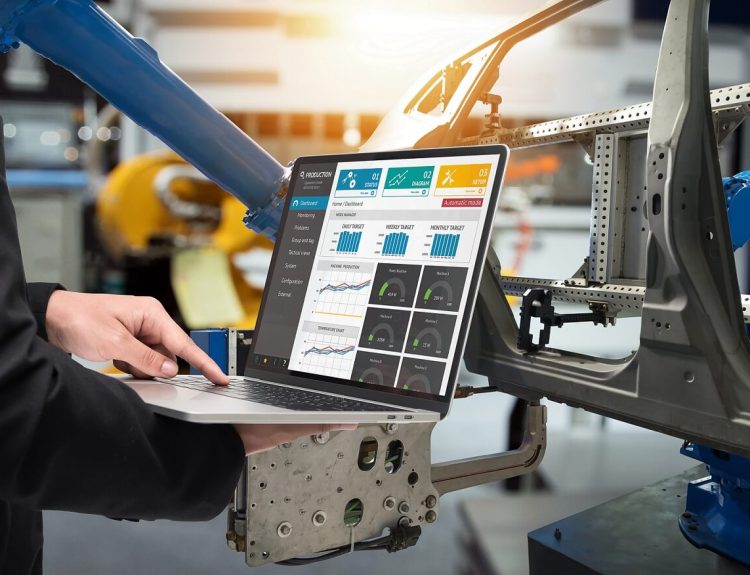
The shift from manual to automated manufacturing
-
Integration of electronics and onboard computers
-
Growing reliance on software-defined vehicle architectures
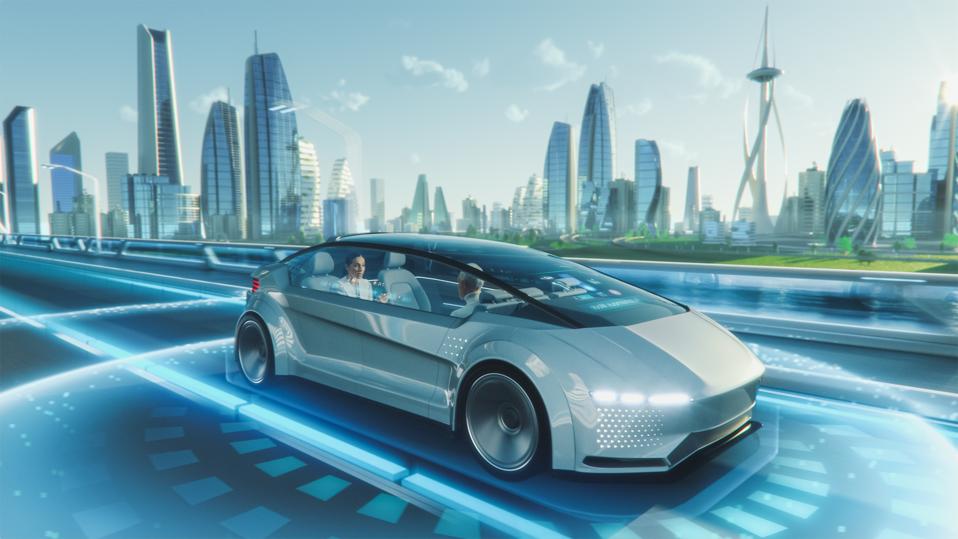
Modern vehicles are no longer just modes of transport; they are becoming intelligent, connected platforms.
Rise of Electric Vehicles (EVs)
Electrification is one of the strongest forces reshaping the automotive landscape. Electric vehicles are gaining momentum due to environmental concerns, regulatory pressure, and advances in battery technology.
Why EV Adoption Is Accelerating
-
Lower emissions compared to traditional vehicles
-
Reduced long-term operating and maintenance costs
-
Improvements in driving range and charging speed
-
Expansion of public and private charging infrastructure
Automakers are investing heavily in electric platforms, signaling a long-term commitment to an electric future.
Autonomous Driving and Advanced Safety Systems
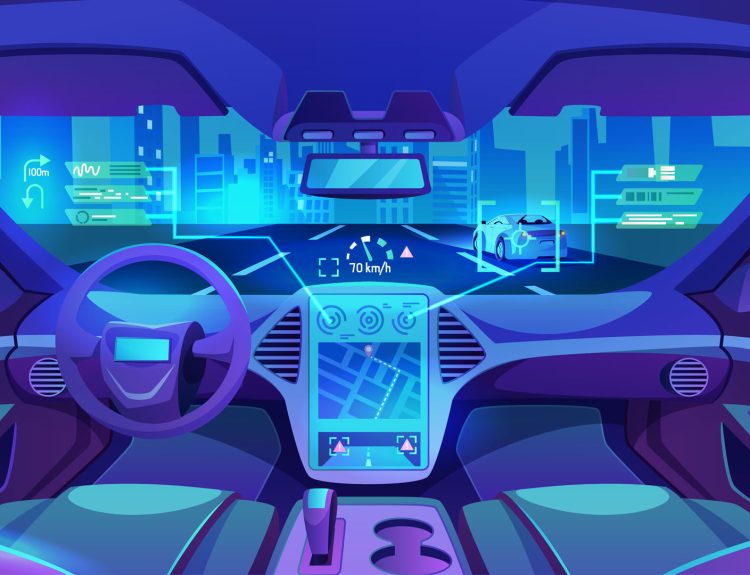
Autonomous and semi-autonomous technologies are redefining vehicle safety and convenience. While fully self-driving cars are still in development, many advanced features are already in use.
Common technologies include:
-
Adaptive cruise control
-
Lane-keeping assistance
-
Automatic emergency braking
-
Blind-spot monitoring
These systems rely on sensors, cameras, radar, and artificial intelligence to enhance driver awareness and reduce accidents.
Connected Cars and Digital Integration
Connectivity has become a core feature of modern vehicles. Cars now communicate with smartphones, infrastructure, and even other vehicles.
Benefits of Connected Vehicles
-
Real-time navigation and traffic updates
-
Over-the-air software updates
-
Remote vehicle monitoring and diagnostics
-
Enhanced infotainment and personalization
This digital integration improves user experience while allowing manufacturers to continuously improve vehicles after purchase.
Sustainability and Eco-Friendly Manufacturing
Beyond vehicle emissions, automakers are addressing sustainability across the entire production lifecycle.
Efforts include:
-
Use of recycled and renewable materials
-
Energy-efficient manufacturing plants
-
Reduced water and resource consumption
-
Designing vehicles with end-of-life recycling in mind
Sustainability is no longer optional; it is a competitive and regulatory necessity.
Changing Consumer Expectations
Today’s car buyers expect more than performance and aesthetics. They value technology, efficiency, safety, and environmental responsibility.
Modern consumers prioritize:
-
Seamless digital experiences
-
Transparent ownership costs
-
Flexible mobility solutions such as subscriptions and leasing
-
Brands aligned with sustainability goals
These expectations are pushing automakers to rethink traditional ownership and sales models.
The Road Ahead for Automotive Innovation
The future of the automotive industry lies at the intersection of mobility, technology, and sustainability. Collaboration between automakers, technology firms, and governments will play a critical role in shaping what comes next.
Emerging trends to watch:
-
Software-defined vehicles
-
Hydrogen and alternative fuels
-
Vehicle-to-everything (V2X) communication
-
Greater use of artificial intelligence in design and manufacturing
The industry’s ability to adapt will determine which players thrive in this rapidly evolving environment.
Frequently Asked Questions (FAQs)
1. How is the automotive industry adapting to climate change concerns?
Manufacturers are reducing emissions, investing in electric vehicles, and adopting sustainable materials and manufacturing processes.
2. Are electric vehicles more expensive to own than traditional cars?
While upfront costs may be higher, EVs often have lower fuel and maintenance costs over time.
3. What level of autonomous driving is currently available?
Most vehicles today offer partial automation, such as driver assistance systems, rather than full self-driving capability.
4. How do connected cars improve safety?
They provide real-time data, alerts, and advanced driver assistance features that help prevent accidents.
5. Will internal combustion engines disappear completely?
They are expected to decline gradually, but some regions and applications may continue using them alongside alternative fuels.
6. How is software changing vehicle ownership?
Software allows for over-the-air updates, feature upgrades, and personalization without visiting a service center.
7. What skills are becoming important in the automotive workforce?
Software development, data analysis, cybersecurity, and electric powertrain expertise are increasingly in demand.