
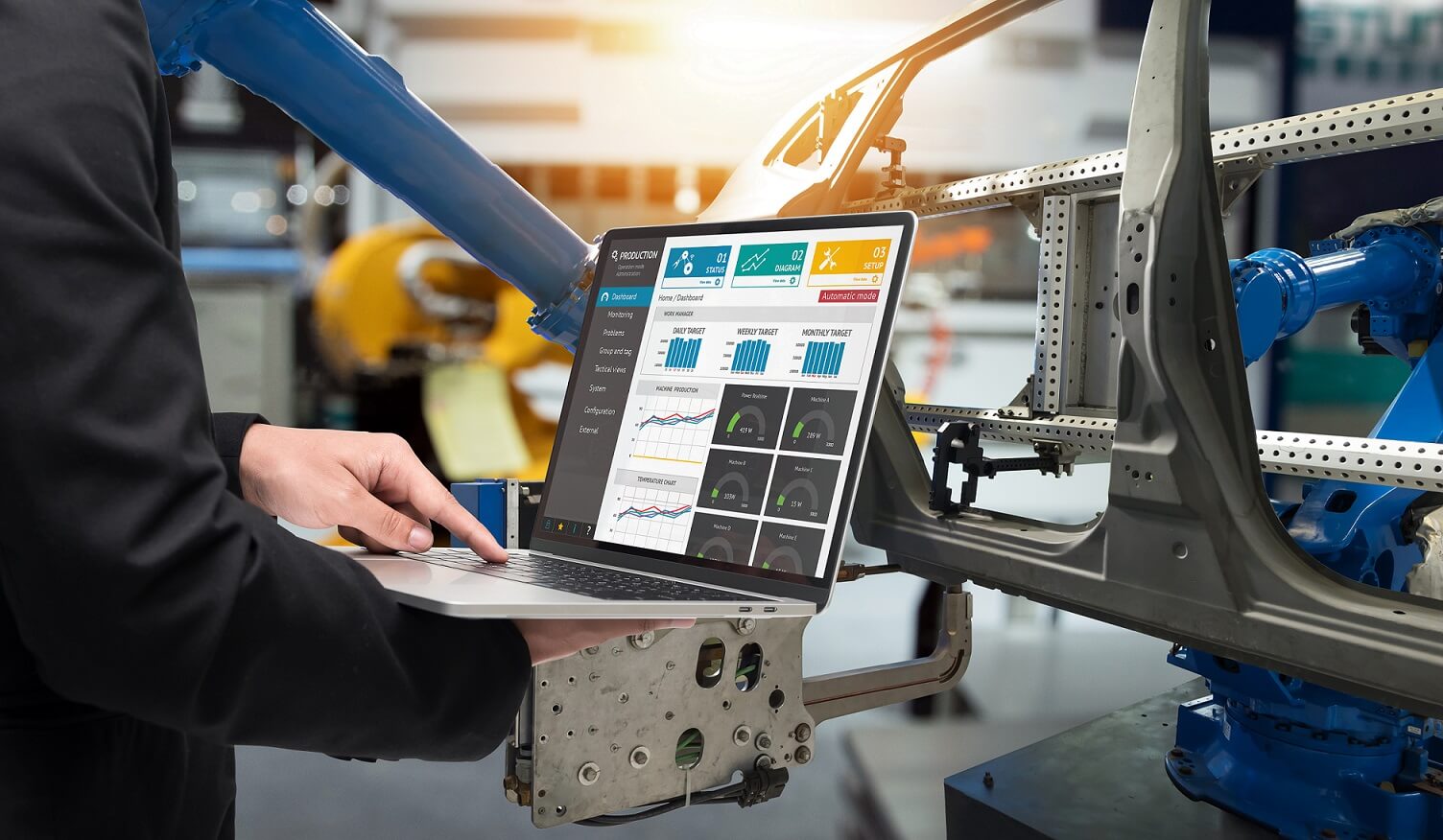
Technological innovation has become a decisive factor in improving efficiency across industrial sectors. From manufacturing floors to global supply chains, advanced technologies are helping industries reduce costs, increase productivity, and adapt to rapidly changing market demands. These innovations are not only enhancing operational performance but also redefining how industries compete and grow.
The Role of Technology in Industrial Efficiency
Industrial efficiency refers to the ability to maximize output while minimizing resources such as time, energy, labor, and raw materials. Modern technologies enable industries to achieve this balance through smarter processes, real-time insights, and automation-driven precision.
Key outcomes of technological adoption include:
-
Faster production cycles
-
Reduced operational waste
-
Improved quality control
-
Enhanced decision-making capabilities
Automation and Robotics
Automation and robotics remain among the most impactful technological advancements in industry.
Their contribution to efficiency includes:
-
Consistent and error-free operations
-
24/7 production capabilities
-
Reduced dependency on manual labor
-
Improved workplace safety
Robotic systems excel at repetitive and precision-based tasks, allowing human workers to focus on higher-value activities.
Artificial Intelligence and Machine Learning
Artificial intelligence (AI) and machine learning (ML) enable industries to analyze vast amounts of data and optimize operations in real time.
Applications driving efficiency include:
-
Predictive maintenance to prevent equipment failures
-
Demand forecasting for better inventory management
-
Process optimization through pattern recognition
-
Intelligent quality inspection systems
These technologies help industries move from reactive to proactive operational models.
Internet of Things (IoT) and Smart Connectivity
The Internet of Things (IoT) connects machines, sensors, and systems into a unified digital network.
Efficiency benefits of IoT include:
-
Real-time monitoring of equipment performance
-
Improved energy management
-
Enhanced supply chain visibility
-
Faster response to operational disruptions
Connected systems allow industries to identify inefficiencies instantly and take corrective action.
Advanced Manufacturing Technologies
Innovations in manufacturing techniques are significantly improving efficiency across production environments.
Notable advancements include:
-
Additive manufacturing (3D printing) for rapid prototyping
-
Computer-aided manufacturing (CAM) for precision machining
-
Digital twins for virtual process simulation
These technologies reduce material waste, shorten development cycles, and enhance production accuracy.
Cloud Computing and Data Analytics
Cloud-based platforms enable industries to store, process, and analyze data at scale.
Efficiency gains include:
-
Centralized data access across locations
-
Scalable computing resources
-
Improved collaboration and transparency
-
Faster deployment of digital solutions
Advanced analytics transform raw data into actionable insights that support continuous improvement.
Sustainable and Energy-Efficient Technologies
Efficiency is increasingly linked with sustainability. Technological innovations are helping industries lower environmental impact while maintaining performance.
Key developments include:
-
Smart energy management systems
-
Renewable energy integration
-
Waste heat recovery technologies
-
Resource-efficient production methods
Sustainable technologies not only reduce costs but also support regulatory compliance and corporate responsibility goals.
Challenges in Adopting New Technologies
While technological innovations offer clear benefits, implementation can be complex.
Common challenges include:
-
High initial investment requirements
-
Integration with legacy systems
-
Cybersecurity risks
-
Need for skilled technical personnel
Successful adoption requires strategic planning, employee training, and long-term vision.
The Future of Industrial Efficiency
The future of industrial efficiency lies in intelligent, connected, and adaptive systems. As technologies continue to evolve, industries will increasingly rely on automation, data-driven insights, and human–machine collaboration to remain competitive.
Organizations that embrace continuous technological innovation will be better positioned to respond to market changes, enhance resilience, and achieve sustainable growth.
Frequently Asked Questions (FAQs)
1. Why are technological innovations important for industrial efficiency?
They help industries reduce waste, improve productivity, and optimize resource utilization.
2. Which technology has the biggest impact on industrial efficiency?
Automation and data-driven technologies such as AI and IoT have the most significant impact.
3. How does IoT improve industrial operations?
IoT enables real-time monitoring, predictive maintenance, and better process control.
4. Can small industries benefit from advanced technologies?
Yes, scalable and cloud-based solutions make modern technologies accessible to smaller businesses.
5. How do data analytics support efficiency improvements?
Data analytics identify patterns, inefficiencies, and optimization opportunities across operations.
6. Are technological innovations replacing human workers?
They are transforming job roles rather than replacing workers, increasing demand for technical skills.
7. What role does sustainability play in industrial efficiency?
Sustainable technologies reduce energy consumption, waste, and costs while supporting long-term efficiency.