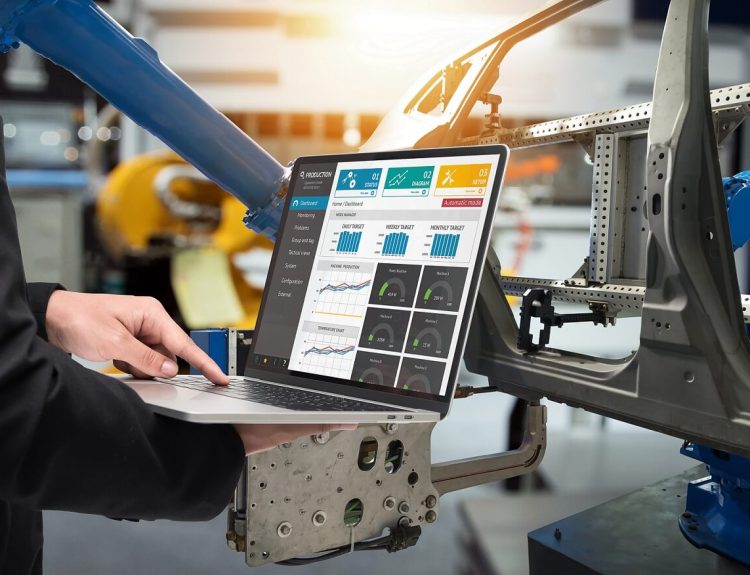
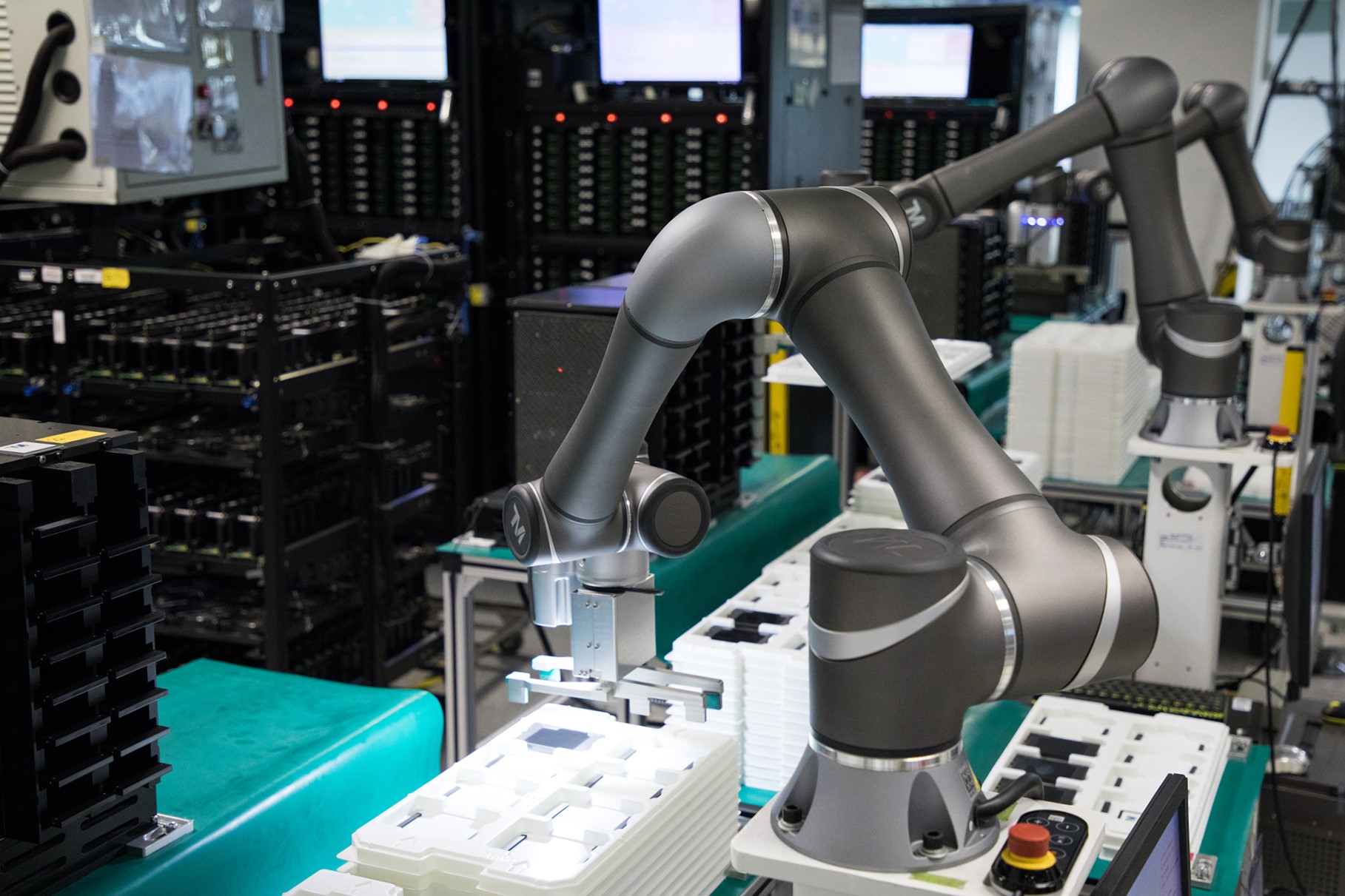
Automation and robotics have become transformative forces in modern industrial operations. By integrating intelligent machines, advanced software, and data-driven systems, industries are redefining how goods are produced, managed, and delivered. This shift is not only improving efficiency but also reshaping workforce roles and long-term business strategies.
Understanding Automation and Robotics in Industry
Automation refers to the use of control systems and software to operate processes with minimal human intervention. Robotics, on the other hand, involves programmable machines capable of carrying out complex physical tasks.
Together, they enable industries to:
-
Perform repetitive tasks with precision
-
Operate continuously with minimal downtime
-
Reduce dependency on manual labor
-
Enhance consistency and product quality
These technologies form the backbone of modern industrial transformation.
Key Areas Where Automation Is Making an Impact
Automation and robotics are influencing nearly every stage of industrial operations.
Manufacturing and Production Lines
Robotic arms and automated assembly lines have revolutionized manufacturing by increasing speed and accuracy.
Key benefits include:
-
Higher production output
-
Reduced error rates
-
Improved worker safety
-
Lower operational costs over time
Automated quality checks ensure consistent standards across large-scale production.
Supply Chain and Logistics Operations
Automation plays a critical role in warehousing and logistics, streamlining the movement of goods.
Applications include:
-
Automated guided vehicles (AGVs) for material transport
-
Robotic picking and sorting systems
-
Real-time inventory tracking through sensors
These systems reduce delays and improve supply chain visibility.
Maintenance and Equipment Monitoring
Predictive maintenance systems use automation and data analytics to monitor equipment health.
Advantages include:
-
Early detection of mechanical issues
-
Reduced unplanned downtime
-
Lower maintenance costs
-
Extended machinery lifespan
This proactive approach enhances overall operational reliability.
Role of Robotics in Enhancing Workforce Productivity
Contrary to common concerns, robotics often complements human labor rather than replacing it entirely.
Robots handle:
-
Hazardous or physically demanding tasks
-
Highly repetitive operations
-
Precision-based activities requiring consistency
Meanwhile, human workers focus on supervision, problem-solving, innovation, and system management, leading to higher-value roles and improved productivity.
Automation and Industry 4.0 Integration
Automation and robotics are central to Industry 4.0, where physical systems are connected with digital technologies.
Core elements include:
-
Smart sensors and connected machines
-
Real-time data analytics
-
Artificial intelligence-driven decision-making
-
Seamless communication between systems
This integration enables flexible, adaptive, and intelligent industrial environments.
Challenges of Implementing Automation and Robotics
Despite the benefits, adoption comes with challenges that industries must address.
Common challenges include:
-
High initial investment costs
-
Need for skilled technical workforce
-
Cybersecurity risks in connected systems
-
Resistance to organizational change
Strategic planning and workforce training are essential for successful implementation.
Long-Term Benefits for Industrial Operations
When implemented effectively, automation and robotics deliver long-term advantages.
These include:
-
Improved operational efficiency
-
Scalability of production
-
Enhanced competitiveness
-
Greater resilience against labor shortages
-
Support for sustainable manufacturing practices
Industries adopting these technologies are better positioned for future growth.
The Future of Automation and Robotics in Industry
As technologies continue to advance, automation and robotics will become more intelligent, collaborative, and accessible. The focus will shift toward human–machine collaboration, sustainability, and real-time optimization.
Industries that embrace this transformation will lead innovation while maintaining efficiency and adaptability in an increasingly competitive global market.
Frequently Asked Questions (FAQs)
1. What is the difference between automation and robotics in industry?
Automation focuses on controlling processes through software and systems, while robotics involves physical machines performing tasks.
2. Does automation eliminate industrial jobs?
Automation changes job roles rather than eliminating them, creating demand for technical, supervisory, and analytical skills.
3. Which industries benefit most from automation and robotics?
Manufacturing, logistics, automotive, electronics, food processing, and pharmaceuticals benefit significantly.
4. How does automation improve industrial safety?
Robots handle dangerous tasks, reducing workplace injuries and exposure to hazardous conditions.
5. What is the role of data in automated industrial systems?
Data enables real-time monitoring, predictive maintenance, and intelligent decision-making.
6. Is automation suitable for small and medium-sized industries?
Yes, scalable automation solutions are increasingly accessible and cost-effective for smaller operations.
7. How will robotics evolve in the next decade?
Future robotics will emphasize collaboration with humans, adaptability, artificial intelligence integration, and sustainability.