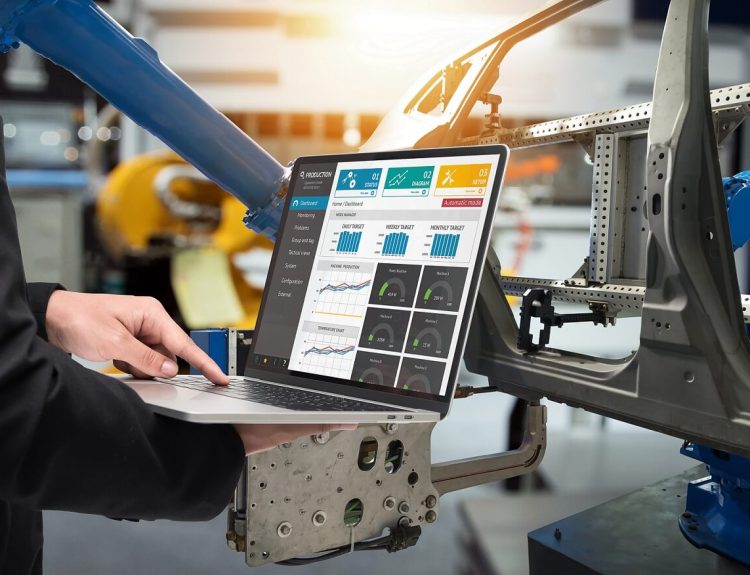

Digital transformation has become a defining force for enterprise-level businesses. No longer limited to IT upgrades, it now represents a strategic shift in how enterprises operate, innovate, and deliver value. Organizations that embrace digital transformation are better positioned to scale, compete, and adapt in an increasingly data-driven economy.
This article explores the most impactful digital transformation trends reshaping modern enterprises.
Cloud-First Enterprise Strategies
Enterprises are rapidly moving away from traditional on-premises infrastructure toward cloud-first models. Cloud computing offers flexibility, scalability, and cost efficiency that large organizations require.
Key Advantages
-
Faster deployment of applications
-
Improved collaboration across global teams
-
On-demand scalability for enterprise workloads
-
Reduced infrastructure maintenance costs
Cloud platforms also support hybrid and multi-cloud strategies, allowing enterprises to balance control and agility.
Artificial Intelligence and Advanced Analytics
Artificial intelligence (AI) is transforming how enterprises analyze data, automate processes, and make decisions. Advanced analytics enable leaders to move from reactive reporting to predictive and prescriptive insights.
Enterprise Use Cases
-
Demand forecasting and supply chain optimization
-
Intelligent customer support and chatbots
-
Fraud detection and risk assessment
-
Personalized marketing and customer experiences
AI-driven enterprises gain a competitive edge through faster, smarter decision-making.
Automation and Intelligent Workflows
Automation is reshaping enterprise operations by reducing manual effort and improving consistency. Beyond basic task automation, enterprises are adopting intelligent workflows powered by AI and machine learning.
Benefits of Enterprise Automation
-
Increased operational efficiency
-
Lower error rates
-
Faster process execution
-
Improved employee productivity
Automation allows enterprises to focus human talent on strategic and creative initiatives.
Data-Driven Enterprise Culture
Successful digital transformation depends on building a data-driven culture. Enterprises are investing in tools and training that empower employees to use data confidently and responsibly.
Key elements include:
-
Centralized data platforms
-
Real-time dashboards and reporting
-
Strong data governance frameworks
-
Enterprise-wide data literacy programs
When data becomes accessible and trusted, innovation accelerates across the organization.
Cybersecurity and Digital Trust
As enterprises digitize operations, cybersecurity has become a top strategic priority. Digital trust is essential for protecting customer data, intellectual property, and operational continuity.
Modern Enterprise Security Focus Areas
-
Zero-trust security architectures
-
Advanced threat detection and response
-
Identity and access management
-
Regulatory compliance and data privacy
Cybersecurity is no longer just a technical function—it is a core business responsibility.
Digital Customer Experience Transformation
Enterprise-level businesses are rethinking how they engage customers across digital channels. Seamless, personalized, and consistent experiences are now expected.
Transformation Drivers
-
Omnichannel engagement platforms
-
Customer data integration
-
Real-time personalization
-
Self-service digital solutions
Enterprises that prioritize digital customer experience build stronger loyalty and long-term value.
Agile and Product-Centric Operating Models
Digital transformation is also reshaping enterprise operating models. Traditional hierarchical structures are giving way to agile, product-centric teams that deliver continuous value.
Why Enterprises Are Adopting Agile Models
-
Faster innovation cycles
-
Improved collaboration across functions
-
Greater responsiveness to market changes
-
Continuous improvement mindset
Agility enables enterprises to remain competitive in dynamic environments.
Technology as a Strategic Business Enabler
In modern enterprises, technology is no longer a support function—it is a strategic enabler. Digital transformation aligns technology investments directly with business outcomes.
Key focus areas include:
-
Integrated enterprise platforms
-
Scalable digital architectures
-
Cross-functional collaboration tools
-
Continuous technology modernization
This alignment ensures that digital initiatives deliver measurable business impact.
Conclusion
Digital transformation is reshaping enterprise-level businesses at every level—from operations and leadership to customer engagement and innovation. Enterprises that embrace cloud computing, AI, automation, and data-driven cultures are better equipped to navigate complexity and drive sustainable growth.
The future belongs to enterprises that view digital transformation not as a one-time initiative, but as an ongoing strategic journey.
Frequently Asked Questions (FAQs)
1. What does digital transformation mean for enterprises?
It refers to the strategic integration of digital technologies to improve enterprise operations, decision-making, and customer value.
2. Is digital transformation only about technology?
No, it also involves cultural change, process redesign, leadership alignment, and new operating models.
3. Why is cloud computing critical for enterprise transformation?
Cloud platforms provide scalability, flexibility, and speed, enabling enterprises to innovate and adapt efficiently.
4. How does AI support enterprise-level decision-making?
AI analyzes large data sets to identify patterns, predict outcomes, and recommend actions with greater accuracy.
5. What role does cybersecurity play in digital transformation?
Cybersecurity protects digital assets, ensures compliance, and builds trust with customers and stakeholders.
6. Can legacy enterprises successfully transform digitally?
Yes, with the right strategy, leadership commitment, and phased implementation, legacy enterprises can modernize effectively.
7. How long does enterprise digital transformation take?
It is an ongoing process rather than a fixed timeline, evolving as technologies and business needs change.